









Dog walker character Default walker character

100% Free Forever • No Ads • No Subscriptions • Community Driven

Learn Spanish with free interactive flashcards and audio pronunciation

Multiple Categories

Weather & Environment • Grammar • Work and Business • Accommodation • Greetings & Conversations • Places and Directions

Choose Categories: (Click group to expand)

🔄 New Shuffle Order
Page 1 of 112 (1000 total flash cards for selected categories)
#1
🧭
¿Qué instrumento siempre apunta al norte?
👆 Click to reveal answer
#1
🧭
¿Qué instrumento siempre apunta al norte?
What instrument always points north?
✓ la brújula
💡 Hint: Compass - points north with magnetic needle, essential navigation tool
Example: Los exploradores usan la brújula para orientarse en el bosque. Explorers use the compass to find their way in the forest.
MEDIUM
wordwalker.ca/flashcards
#2
🗑️
¿Dónde ponemos la basura?
👆 Click to reveal answer
#2
🗑️
¿Dónde ponemos la basura?
Where do we put the trash?
✓ en el basurero
💡 Hint: Trash can - proper place for garbage
Example: Siempre tiro la basura en el basurero. I always throw trash in the trash can.
EASY
wordwalker.ca/flashcards
#3
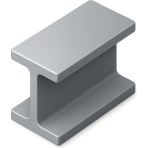
¿Qué viga de acero en forma de I se usa en la construcción de edificios?
👆 Click to reveal answer
#3
¿Qué viga de acero en forma de I se usa en la construcción de edificios?
What I-shaped steel beam is used in building construction?
✓ la viga de acero
💡 Hint: Heavy I-shaped structural steel used to support buildings and bridges
Example: La viga de acero soporta todo el peso del segundo piso. The steel I-beam supports all the weight of the second floor.
MEDIUM
wordwalker.ca/flashcards
#4
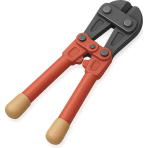
¿Con qué herramienta cortas cadenas y candados gruesos?
👆 Click to reveal answer
#4
¿Con qué herramienta cortas cadenas y candados gruesos?
What tool do you use to cut chains and thick padlocks?
✓ la cizalla
💡 Hint: Heavy-duty cutting tool with long handles for cutting through metal
Example: Necesitamos la cizalla para cortar este candado oxidado. We need the bolt cutter to cut this rusty padlock.
HARD
wordwalker.ca/flashcards
#5
🌆
¿Qué es el centro de la ciudad?
👆 Click to reveal answer
#5
🌆
¿Qué es el centro de la ciudad?
What is the center of the city?
✓ el centro
💡 Hint: Downtown - "centro histórico" is historic center, main business area
Example: Trabajo en el centro de la ciudad cerca de la plaza mayor. I work in the city center near the main square.
EASY
wordwalker.ca/flashcards
#6
💦
¿Qué mide la humedad del aire?
👆 Click to reveal answer
#6
💦
¿Qué mide la humedad del aire?
What measures air humidity?
✓ higrómetro
💡 Hint: Hygrometer - measures humidity levels
Example: El higrómetro mide cuánta humedad hay en el aire. The hygrometer measures how much humidity is in the air.
HARD
wordwalker.ca/flashcards
#7
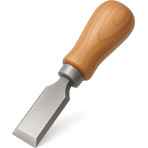
¿Con qué herramienta manual tallás o cortas madera con precisión?
👆 Click to reveal answer
#7
¿Con qué herramienta manual tallás o cortas madera con precisión?
What hand tool do you use to carve or cut wood precisely?
✓ el cincel
💡 Hint: Sharp-edged hand tool used with a mallet for shaping wood or stone
Example: Usa el cincel y el martillo para tallar esta decoración. Use the chisel and hammer to carve this decoration.
MEDIUM
wordwalker.ca/flashcards
#8
🇪🇸
Se ___ español en España. (one speaks/is spoken)
👆 Click to reveal answer
#8
🇪🇸
Se ___ español en España. (one speaks/is spoken)
Spanish is spoken in Spain.
✓ habla
💡 Hint: Spanish is spoken in Spain - impersonal "se" with third person singular
Example: Se habla español en España. Spanish is spoken in Spain.
HARD
wordwalker.ca/flashcards
#9
🔍
¿Cómo dices "I don't know"?
👆 Click to reveal answer
#9
🔍
¿Cómo dices "I don't know"?
✓ no sé
💡 Hint: I don't know - "sé" from "saber" (to know facts), different from "conocer" (to know people/places)
Example: — ¿Dónde está Juan? — No sé, no lo he visto. — Where is Juan? — I don't know, I haven't seen him.
EASY
wordwalker.ca/flashcards

📢 Share These Flash Cards

Help others learn Spanish! Share with friends and family:

🎮 Try the WordWalker Game (Learning Spanish for Kids)