









Dog walker character Default walker character

100% Free Forever • No Ads • No Subscriptions • Community Driven

Learn Spanish with free interactive flashcards and audio pronunciation

Multiple Categories

Entertainment • Recreation • Medical & Emergencies • Places and Directions • Greetings & Conversations • People & Relationships

Choose Categories: (Click group to expand)

🔄 New Shuffle Order
Page 1 of 87 (779 total flash cards for selected categories)
#1
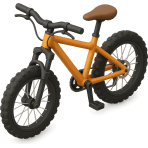
¿Qué bicicleta se usa para caminos de montaña?
👆 Click to reveal answer
#1
¿Qué bicicleta se usa para caminos de montaña?
What bicycle is used for mountain trails?
✓ la bicicleta de montaña
💡 Hint: Mountain bike - sturdy bicycle designed for off-road cycling on rough terrain
Example: Compré una bicicleta de montaña para andar por los senderos. I bought a mountain bike to ride on the trails.
EASY
wordwalker.ca/flashcards

#2
¿Con qué instrumento quirúrgico sujetan o extraen tejidos?
👆 Click to reveal answer
#2
¿Con qué instrumento quirúrgico sujetan o extraen tejidos?
With what surgical instrument do they hold or extract tissues?
✓ el fórceps
💡 Hint: Forceps are tong-like instruments used to grasp, hold, or extract tissue during procedures
Example: El cirujano utilizó el fórceps para extraer el tejido con cuidado. The surgeon used the forceps to extract the tissue carefully.
MEDIUM
wordwalker.ca/flashcards
#3
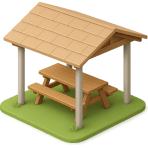
¿Dónde comes al aire libre con techo?
👆 Click to reveal answer
#3
¿Dónde comes al aire libre con techo?
Where do you eat outdoors with a roof?
✓ el refugio para picnic
💡 Hint: Picnic shelter - covered outdoor structure for dining and gatherings in parks
Example: Organizamos la fiesta familiar en el refugio para picnic del parque. We organized the family party at the park's picnic shelter.
MEDIUM
wordwalker.ca/flashcards
#4
👋
¿Cómo preguntas "how are you?"
👆 Click to reveal answer
#4
👋
¿Cómo preguntas "how are you?"
✓ ¿cómo estás?
💡 Hint: How are you? - informal tú form, "¿cómo está?" for usted formal, from "estar" (to be)
Example: Hola María, ¿cómo estás? Te ves muy feliz. Hello María, how are you? You look very happy.
EASY
wordwalker.ca/flashcards
#5
🤕
¿Qué tiene la persona?
👆 Click to reveal answer
#5
🤕
¿Qué tiene la persona?
What does the person have?
✓ la herida
💡 Hint: Wound - injury breaking skin, from Latin "ferire" (to strike)
Example: La herida necesita puntos para cerrar correctamente. The wound needs stitches to close properly.
MEDIUM
wordwalker.ca/flashcards
#6
🎭
¿Qué usas para cubrir tu cara en teatro?
👆 Click to reveal answer
#6
🎭
¿Qué usas para cubrir tu cara en teatro?
What do you use to cover your face in theater?
✓ la máscara
💡 Hint: Mask - theatrical face covering, used in ancient Greek drama
Example: Los actores usaron la máscara en la obra de teatro griego. The actors used masks in the Greek theater play.
EASY
wordwalker.ca/flashcards
#7
⚖️
¿Por qué las personas buscan la justicia?
👆 Click to reveal answer
#7
⚖️
¿Por qué las personas buscan la justicia?
Why do people seek justice?
✓ para que se haga lo correcto
💡 Hint: Why people seek justice - "para que se haga lo correcto
Example: Luchamos para que se haga lo correcto en esta situación injusta. We fight to do the right thing in this unjust situation.
MEDIUM
wordwalker.ca/flashcards
#8
🏙️
¿Qué lugar tiene muchos edificios?
👆 Click to reveal answer
#8
🏙️
¿Qué lugar tiene muchos edificios?
What place has many buildings?
✓ la ciudad
💡 Hint: City - urban area with tall buildings, from Latin "civitas" (citizenship)
Example: La ciudad de Madrid tiene muchos museos y monumentos históricos. The city of Madrid has many museums and historical monuments.
EASY
wordwalker.ca/flashcards
#9
🔍
¿Cómo dices "I don't know"?
👆 Click to reveal answer
#9
🔍
¿Cómo dices "I don't know"?
✓ no sé
💡 Hint: I don't know - "sé" from "saber" (to know facts), different from "conocer" (to know people/places)
Example: — ¿Dónde está Juan? — No sé, no lo he visto. — Where is Juan? — I don't know, I haven't seen him.
EASY
wordwalker.ca/flashcards

📢 Share These Flash Cards

Help others learn Spanish! Share with friends and family:

🎮 Try the WordWalker Game (Learning Spanish for Kids)