













Dog walker character Default walker character

100% Free Forever • No Ads • No Subscriptions • Community Driven

Learn Spanish with free interactive flashcards and audio pronunciation

Multiple Categories

Entertainment • Plants and Animals • Greetings & Conversations • Medical & Emergencies • Places and Directions

Choose Categories: (Click group to expand)

🔄 New Shuffle Order
Page 1 of 65 (579 total flash cards for selected categories)
#1
😁
¿Cómo dices "I'm happy"?
👆 Click to reveal answer
#1
😁
¿Cómo dices "I'm happy"?
✓ estoy feliz
💡 Hint: I'm happy - "estar feliz" (temporary emotion), use "estar" not "ser
Example: Estoy feliz porque mañana es mi cumpleaños. I'm happy because tomorrow is my birthday.
EASY
wordwalker.ca/flashcards

#2
🩹
¿Qué tienes cuando te cortas?
👆 Click to reveal answer
#2
🩹
¿Qué tienes cuando te cortas?
What do you have when you cut yourself?
✓ la herida
💡 Hint: Wound - "cortada" is cut, "raspón" is scrape
Example: Limpié y curé la herida en la rodilla. I cleaned and treated the wound on my knee.
EASY
wordwalker.ca/flashcards
#3
¿Cuál es el árbol más grande del mundo?
👆 Click to reveal answer
#3
¿Cuál es el árbol más grande del mundo?
What is the largest tree in the world?
✓ la secuoya gigante
💡 Hint: Giant sequoia - largest tree by volume, lives thousands of years
Example: La secuoya gigante puede vivir más de tres mil años. The giant sequoia can live more than three thousand years.
MEDIUM
wordwalker.ca/flashcards
#4
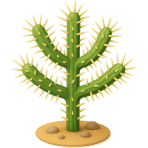
¿Qué planta con espinas vive en el desierto?
👆 Click to reveal answer
#4
¿Qué planta con espinas vive en el desierto?
What spiny plant lives in the desert?
✓ el cactus
💡 Hint: Cactus - succulent plant, stores water, has spines instead of leaves
Example: El cactus puede vivir mucho tiempo sin agua. The cactus can live a long time without water.
EASY
wordwalker.ca/flashcards
#5
👋
¿Cómo preguntas "how are you?"
👆 Click to reveal answer
#5
👋
¿Cómo preguntas "how are you?"
✓ ¿cómo estás?
💡 Hint: How are you? - informal tú form, "¿cómo está?" for usted formal, from "estar" (to be)
Example: Hola María, ¿cómo estás? Te ves muy feliz. Hello María, how are you? You look very happy.
EASY
wordwalker.ca/flashcards
#6
🦅
¿Qué pájaro grande vuela muy alto?
👆 Click to reveal answer
#6
🦅
¿Qué pájaro grande vuela muy alto?
What big bird flies very high?
✓ el águila
💡 Hint: Eagle - large bird of prey, symbol of strength and freedom
Example: El águila vuela alto sobre las montañas. The eagle flies high over the mountains.
EASY
wordwalker.ca/flashcards
#7
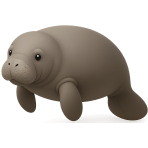
¿Qué mamífero marino grande es herbívoro?
👆 Click to reveal answer
#7
¿Qué mamífero marino grande es herbívoro?
What large marine mammal is herbivorous?
✓ el manatí
💡 Hint: Manatee - gentle marine mammal, eats seagrass, also called sea cow
Example: El manatí come plantas acuáticas en aguas tranquilas. The manatee eats aquatic plants in calm waters.
MEDIUM
wordwalker.ca/flashcards
#8
🎄
¿Cómo dices "merry Christmas"?
👆 Click to reveal answer
#8
🎄
¿Cómo dices "merry Christmas"?
✓ feliz navidad
💡 Hint: Merry Christmas - "navidad" from Latin "nativitas" (birth), December 25, major holiday
Example: ¡Feliz Navidad y próspero Año Nuevo! Merry Christmas and Happy New Year!
EASY
wordwalker.ca/flashcards
#9
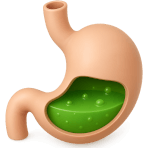
¿Qué órgano digiere la comida?
👆 Click to reveal answer
#9
¿Qué órgano digiere la comida?
What organ digests food?
✓ el estómago
💡 Hint: Stomach - digestive organ, holds food for 2-4 hours
Example: Después de comer mucho, el estómago me dolía. After eating a lot, my stomach hurt.
EASY
wordwalker.ca/flashcards

📢 Share These Flash Cards

Help others learn Spanish! Share with friends and family:

🎮 Try the WordWalker Game (Learning Spanish for Kids)