













Dog walker character Default walker character

100% Free Forever • No Ads • No Subscriptions • Community Driven

Learn Spanish with free interactive flashcards and audio pronunciation

Multiple Categories

Entertainment • People & Relationships • Plants and Animals • Places and Directions • Medical & Emergencies

Choose Categories: (Click group to expand)

🔄 New Shuffle Order
Page 1 of 76 (679 total flash cards for selected categories)
#1
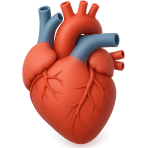
¿Qué órgano bombea la sangre?
👆 Click to reveal answer
#1
¿Qué órgano bombea la sangre?
What organ pumps blood?
✓ el corazón
💡 Hint: Heart - pumps blood through body, heart attack is "infarto al miocardio"
Example: Sentí que el corazón latía muy fuerte después de correr. I felt my heart beating very hard after running.
MEDIUM
wordwalker.ca/flashcards

#2
👆
¿Dónde está cerca?
👆 Click to reveal answer
#2
👆
¿Dónde está cerca?
Where is near?
✓ allí
💡 Hint: There - nearby but not here, medium distance from speaker
Example: La panadería está allí, justo después del semáforo. The bakery is there, right after the traffic light.
MEDIUM
wordwalker.ca/flashcards
#3
🎞️
¿En qué se grababan las películas antiguas?
👆 Click to reveal answer
#3
🎞️
¿En qué se grababan las películas antiguas?
What were old movies recorded on?
✓ la película
💡 Hint: Film reel - "película" means both film and movie, celluloid strips
Example: Mi abuelo tiene una colección de la película en blanco y negro. My grandfather has a collection of black and white film.
MEDIUM
wordwalker.ca/flashcards
#4
¿Qué película te da miedo?
👆 Click to reveal answer
#4
¿Qué película te da miedo?
What movie scares you?
✓ el terror
💡 Hint: Horror - scary movies, "película de terror" frightens audience
Example: No puedo ver el terror porque me da pesadillas después. I can't watch horror because it gives me nightmares afterwards.
EASY
wordwalker.ca/flashcards
#5
🐳
¿Qué animal marino es el más grande del mundo?
👆 Click to reveal answer
#5
🐳
¿Qué animal marino es el más grande del mundo?
What marine animal is the largest in the world?
✓ la ballena azul
💡 Hint: Blue whale - largest animal ever, can weigh up to 200 tons, eats krill
Example: La ballena azul es el animal más grande que ha existido. The blue whale is the largest animal that has ever existed.
EASY
wordwalker.ca/flashcards
#6
⚠️
¿Qué símbolo indica riesgo?
👆 Click to reveal answer
#6
⚠️
¿Qué símbolo indica riesgo?
What symbol indicates risk?
✓ el peligro
💡 Hint: Danger - warning sign, "riesgo" is risk, triangle symbol universal
Example: Vimos el letrero que indica el peligro en la zona. We saw the sign indicating danger in the area.
EASY
wordwalker.ca/flashcards
#7
¿Dónde vas a rezar o a misa?
👆 Click to reveal answer
#7
¿Dónde vas a rezar o a misa?
Where do you go to pray or to mass?
✓ la iglesia
💡 Hint: Church - place of worship, from Greek "ekklesia" (assembly)
Example: La iglesia del pueblo está en la plaza principal. The town church is in the main square.
EASY
wordwalker.ca/flashcards
#8
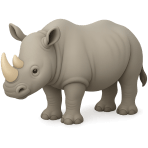
¿Qué animal tiene un cuerno en la nariz?
👆 Click to reveal answer
#8
¿Qué animal tiene un cuerno en la nariz?
What animal has a horn on its nose?
✓ el rinoceronte
💡 Hint: Rhinoceros - large African animal, endangered
Example: El rinoceronte tiene la piel muy gruesa. The rhinoceros has very thick skin.
EASY
wordwalker.ca/flashcards
#9
🦡
¿Qué animal nocturno tiene rayas en la cara?
👆 Click to reveal answer
#9
🦡
¿Qué animal nocturno tiene rayas en la cara?
What nocturnal animal has stripes on its face?
✓ el tejón
💡 Hint: Badger - nocturnal, lives in burrows called setts, distinctive facial stripes
Example: El tejón vive en madrigueras bajo tierra. The badger lives in underground burrows.
MEDIUM
wordwalker.ca/flashcards

📢 Share These Flash Cards

Help others learn Spanish! Share with friends and family:

🎮 Try the WordWalker Game (Learning Spanish for Kids)