















Dog walker character Default walker character

100% Free Forever • No Ads • No Subscriptions • Community Driven

Learn Spanish with free interactive flashcards and audio pronunciation

Multiple Categories

Entertainment • Greetings & Conversations • Plants and Animals • Grammar • Numbers, Colors & Time

Choose Categories: (Click group to expand)

🔄 New Shuffle Order
Page 1 of 95 (849 total flash cards for selected categories)
#1
🤷
Yo te avisé… __ _____.
I warned you… up to you.
👆 Click to reveal answer
#1
🤷
Yo te avisé… __ _____.
✓ tú verás
💡 Hint: I warned you… up to you.
Example: Yo te avisé… tú verás. I warned you... it's up to you.
MEDIUM
wordwalker.ca/flashcards
#2
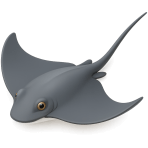
¿Qué raya tiene aguijón venenoso?
👆 Click to reveal answer
#2
¿Qué raya tiene aguijón venenoso?
What ray has a venomous stinger?
✓ la raya
💡 Hint: Stingray - flat body, whip-like tail with barb, lives on ocean floor
Example: La raya se esconde en la arena del fondo marino. The stingray hides in the sand of the sea floor.
MEDIUM
wordwalker.ca/flashcards
#3
🧘
¡___ pacientes! (be - ustedes command)
👆 Click to reveal answer
#3
🧘
¡___ pacientes! (be - ustedes command)
Be patient!
✓ Sean
💡 Hint: Be patient! - formal plural command of "ser" uses subjunctive
Example: ¡Sean pacientes, por favor! Be patient, please!
MEDIUM
wordwalker.ca/flashcards
#4
😊
¿Cómo dices "it was nice seeing you"?
👆 Click to reveal answer
#4
😊
¿Cómo dices "it was nice seeing you"?
✓ fue un placer verte
💡 Hint: It was nice seeing you - "fue" (it was), "un placer" (a pleasure), "verte" (to see you)
Example: Fue un placer verte de nuevo después de tanto tiempo. It was nice seeing you again after so long.
MEDIUM
wordwalker.ca/flashcards
#5
🦧
¿Qué primate tiene pelo naranja y vive en los árboles?
👆 Click to reveal answer
#5
🦧
¿Qué primate tiene pelo naranja y vive en los árboles?
What primate has orange fur and lives in trees?
✓ el orangután
💡 Hint: Orangutan - great ape with orange fur, lives in trees, found in Southeast Asia
Example: El orangután pasa la mayor parte de su vida en los árboles. The orangutan spends most of its life in the trees.
EASY
wordwalker.ca/flashcards
#6
📅
¿Qué día es el último día de la semana?
👆 Click to reveal answer
#6
📅
¿Qué día es el último día de la semana?
What day is the last day of the week?
✓ domingo
💡 Hint: Sunday - from Latin "dies Dominicus" (Lord's day), rest day, family day in Spanish culture
Example: Los domingos comemos con la familia. On Sundays we eat with the family.
EASY
wordwalker.ca/flashcards
#7
🪄
¿Cómo se llama la persona que hace trucos de magia?
👆 Click to reveal answer
#7
🪄
¿Cómo se llama la persona que hace trucos de magia?
What is a person called who performs magic tricks?
✓ el mago
💡 Hint: Magician - a performer who entertains audiences with magic tricks and illusions
Example: El mago sacó un conejo de su sombrero y todos los niños aplaudieron. The magician pulled a rabbit out of his hat and all the children applauded.
EASY
wordwalker.ca/flashcards
#8
🐺
¿Qué animal aúlla a la luna?
👆 Click to reveal answer
#8
🐺
¿Qué animal aúlla a la luna?
What animal howls at the moon?
✓ el lobo
💡 Hint: Wolf - wild canine, hunts in packs, endangered in many places
Example: El lobo aúlla a la luna llena por la noche. The wolf howls at the full moon at night.
EASY
wordwalker.ca/flashcards
#9
🌺
¿Qué flor crece en climas cálidos?
👆 Click to reveal answer
#9
🌺
¿Qué flor crece en climas cálidos?
What flower grows in warm climates?
✓ la flor tropical
💡 Hint: Tropical flower - hibiscus common, bright colors in warm climates
Example: La flor tropical tiene colores brillantes y vivos. The tropical flower has bright, vivid colors.
MEDIUM
wordwalker.ca/flashcards

📢 Share These Flash Cards

Help others learn Spanish! Share with friends and family:

🎮 Try the WordWalker Game (Learning Spanish for Kids)