














Dog walker character Default walker character

Multiple Categories

Entertainment • Grammar • Plants and Animals • Numbers, Dates & Time • Transportation

Choose Categories: (Click to add/remove)

🔄 New Shuffle Order
Page 1 of 104 (934 total flash cards)
#1
¿Qué tren viaja a más de 300 km/h?
👆 Click to reveal answer
#1
¿Qué tren viaja a más de 300 km/h?
What train travels over 300 km/h?
✓ el tren de alta velocidad the high-speed train
💡 Hint: High-speed train - very fast train, bullet train in some countries
Example: El tren de alta velocidad llega a Barcelona en solo dos horas. The high-speed train reaches Barcelona in just two hours.
MEDIUM
wordwalker.ca/flashcards
#2
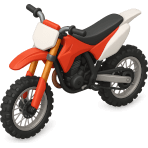
¿Qué motocicleta se usa para terrenos difíciles?
👆 Click to reveal answer
#2
¿Qué motocicleta se usa para terrenos difíciles?
What motorcycle is used for rough terrain?
✓ la moto de tierra dirt bike
💡 Hint: Dirt bike - motorcycle designed for off-road riding
Example: Mi hermano practica con su moto de tierra en el campo los fines de semana. My brother practices with his dirt bike in the countryside on weekends.
MEDIUM
wordwalker.ca/flashcards
#3
🤔
Ellos ___ ayudarnos. (poder - to be able)
👆 Click to reveal answer
#3
🤔
Ellos ___ ayudarnos. (poder - to be able)
podrían
✓ podrían they could
💡 Hint: They could/would be able - Irregular stem "podr-" + -ían, polite suggestion
HARD
wordwalker.ca/flashcards
#4
🎭
¿Qué obra de teatro es muy triste?
👆 Click to reveal answer
#4
🎭
¿Qué obra de teatro es muy triste?
What play is very sad?
✓ la tragedia the tragedy
💡 Hint: Tragedy - sad dramatic play, Greek origin with unhappy ending
Example: Romeo y Julieta de Shakespeare es la tragedia más famosa del mundo. Shakespeare's Romeo and Juliet is the most famous tragedy in the world.
MEDIUM
wordwalker.ca/flashcards
#5
🦧
¿Qué primate tiene pelo naranja y vive en los árboles?
👆 Click to reveal answer
#5
🦧
¿Qué primate tiene pelo naranja y vive en los árboles?
What primate has orange fur and lives in trees?
✓ el orangután the orangutan
💡 Hint: Orangutan - great ape with orange fur, lives in trees, found in Southeast Asia
EASY
wordwalker.ca/flashcards
#6
🟢
¿Cómo se dice "green"?
👆 Click to reveal answer
#6
🟢
¿Cómo se dice "green"?
How do you say 'green'?
✓ verde green
💡 Hint: Green - no gender change, also means "unripe" (fruta verde), nature and plant color
EASY
wordwalker.ca/flashcards
#7
☀️
¿Cómo se dice "afternoon"?
👆 Click to reveal answer
#7
☀️
¿Cómo se dice "afternoon"?
How do you say 'afternoon'?
✓ tarde afternoon
💡 Hint: Afternoon - after noon until sunset, also means "late
EASY
wordwalker.ca/flashcards
#8
🐝
¿Qué insecto produce miel?
👆 Click to reveal answer
#8
🐝
¿Qué insecto produce miel?
What insect produces honey?
✓ la abeja the bee
💡 Hint: Bee - produces honey, pollinates flowers, lives in colonies
EASY
wordwalker.ca/flashcards
#9
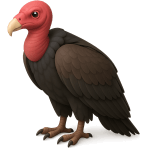
¿Qué ave come animales muertos?
👆 Click to reveal answer
#9
¿Qué ave come animales muertos?
What bird eats dead animals?
✓ el buitre the vulture
💡 Hint: Vulture - scavenger bird, bald head, important for ecosystem cleanup
EASY
wordwalker.ca/flashcards

📢 Share These Flash Cards

Help others learn Spanish! Share with friends and family:

🎮 Try the WordWalker Game (Learning Spanish for Kids)