













Dog walker character Default walker character

100% Free Forever • No Ads • No Subscriptions • Community Driven

Learn Spanish with free interactive flashcards and audio pronunciation

Multiple Categories

Places and Directions • People & Relationships • Plants and Animals • Medical & Emergencies • Grammar

Choose Categories: (Click group to expand)

🔄 New Shuffle Order
Page 1 of 104 (930 total flash cards for selected categories)
#1
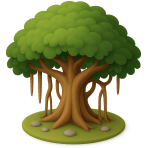
¿Qué árbol tiene raíces aéreas?
👆 Click to reveal answer
#1
¿Qué árbol tiene raíces aéreas?
What tree has aerial roots?
✓ el árbol de baniano
💡 Hint: Banyan tree - grows aerial roots, sacred in some cultures
Example: El árbol de baniano tiene raíces que cuelgan de sus ramas. The banyan tree has roots that hang from its branches.
HARD
wordwalker.ca/flashcards

#2
¿Cómo se llama el amor romántico?
👆 Click to reveal answer
#2
¿Cómo se llama el amor romántico?
What is romantic love called?
✓ el romance
💡 Hint: Romance - feeling of excitement associated with love
Example: El romance entre ellos comenzó cuando se conocieron en la universidad. The romance between them began when they met at university.
EASY
wordwalker.ca/flashcards
#3
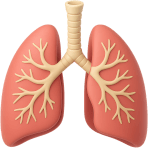
¿Qué órgano te ayuda a respirar?
👆 Click to reveal answer
#3
¿Qué órgano te ayuda a respirar?
What organ helps you breathe?
✓ los pulmones
💡 Hint: Lungs - two organs for breathing oxygen, from Latin "pulmo"
Example: Mis pulmones se expandieron profundamente al tomar aire fresco. My lungs expanded deeply when taking fresh air.
MEDIUM
wordwalker.ca/flashcards
#4
_ __ _____, se nos hizo tarde.
Without realizing it, it got late.
👆 Click to reveal answer
#4
_ __ _____, se nos hizo tarde.
✓ a lo tonto
💡 Hint: Without realizing it, it got late.
Example: A lo tonto, se nos hizo tarde. Before we knew it, it got late.
MEDIUM
wordwalker.ca/flashcards
#5
🦨
¿Qué animal produce un olor muy fuerte para defenderse?
👆 Click to reveal answer
#5
🦨
¿Qué animal produce un olor muy fuerte para defenderse?
What animal produces a very strong smell to defend itself?
✓ el zorrillo
💡 Hint: Skunk - sprays strong-smelling liquid as defense, black with white stripes
Example: El zorrillo rocía un líquido de mal olor cuando tiene miedo. The skunk sprays a foul-smelling liquid when scared.
EASY
wordwalker.ca/flashcards
#6
🐫
¿Qué animal tiene dos jorobas?
👆 Click to reveal answer
#6
🐫
¿Qué animal tiene dos jorobas?
What animal has two humps?
✓ el camello bactriano
💡 Hint: Bactrian camel - has two humps, from Central Asia, adapted to cold deserts
Example: El camello bactriano tiene dos jorobas para almacenar grasa. The Bactrian camel has two humps to store fat.
MEDIUM
wordwalker.ca/flashcards
#7
🐢
____ _ ____ vas mejorando.
Little by little you're improving.
👆 Click to reveal answer
#7
🐢
____ _ ____ vas mejorando.
✓ poco a poco
💡 Hint: Little by little you're improving.
Example: Poco a poco vas mejorando. Little by little you're improving.
EASY
wordwalker.ca/flashcards
#8
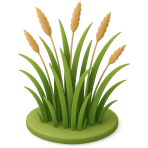
¿Qué planta cubre las llanuras?
👆 Click to reveal answer
#8
¿Qué planta cubre las llanuras?
What plant covers the plains?
✓ el pasto de la pradera
💡 Hint: Prairie grass - tall grassland plant, waves in wind, supports wildlife
Example: El pasto de la pradera se mueve con el viento. The prairie grass sways with the wind.
MEDIUM
wordwalker.ca/flashcards
#9
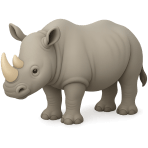
¿Qué animal tiene un cuerno en la nariz?
👆 Click to reveal answer
#9
¿Qué animal tiene un cuerno en la nariz?
What animal has a horn on its nose?
✓ el rinoceronte
💡 Hint: Rhinoceros - large African animal, endangered
Example: El rinoceronte tiene la piel muy gruesa. The rhinoceros has very thick skin.
EASY
wordwalker.ca/flashcards

📢 Share These Flash Cards

Help others learn Spanish! Share with friends and family:

🎮 Try the WordWalker Game (Learning Spanish for Kids)