











Dog walker character Default walker character

100% Free Forever • No Ads • No Subscriptions • Community Driven

Learn Spanish with free interactive flashcards and audio pronunciation

Multiple Categories

Places and Directions • People & Relationships • Weather & Environment • Plants and Animals • Grammar

Choose Categories: (Click group to expand)

🔄 New Shuffle Order
Page 1 of 106 (950 total flash cards for selected categories)
#1
📱
Hoy _____ ______, luego te escribo.
I'm busy today, I'll text you later.
👆 Click to reveal answer
#1
📱
Hoy _____ ______, luego te escribo.
✓ estoy liada
💡 Hint: I'm busy today, I'll text you later.
Example: Hoy estoy liada, luego te escribo. I'm busy today, I'll text you later.
MEDIUM
wordwalker.ca/flashcards
#2
🗑️
¿Dónde ponemos la basura?
👆 Click to reveal answer
#2
🗑️
¿Dónde ponemos la basura?
Where do we put the trash?
✓ en el basurero
💡 Hint: Trash can - proper place for garbage
Example: Siempre tiro la basura en el basurero. I always throw trash in the trash can.
EASY
wordwalker.ca/flashcards
#3
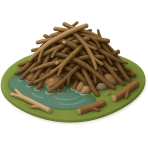
¿Qué estructura construyen los castores en los ríos?
👆 Click to reveal answer
#3
¿Qué estructura construyen los castores en los ríos?
What structure do beavers build in rivers?
✓ presa de castor
💡 Hint: Beaver dam - structure built by beavers using sticks and mud
Example: La presa de castor bloquea el río y crea un estanque. The beaver dam blocks the river and creates a pond.
MEDIUM
wordwalker.ca/flashcards
#4
👥
___ amigos (our friends)
👆 Click to reveal answer
#4
👥
___ amigos (our friends)
nuestros
✓ nuestros
💡 Hint: Our - masculine plural, changes to "nuestra/nuestras" for feminine, from "nos" (us)
Example: Nuestros amigos vienen a cenar. Our friends are coming to dinner.
MEDIUM
wordwalker.ca/flashcards
#5
🌊
¿De dónde viene el agua de lluvia?
👆 Click to reveal answer
#5
🌊
¿De dónde viene el agua de lluvia?
Where does rain water come from?
✓ del océano
💡 Hint: Ocean - water evaporates and becomes rain
Example: El agua de lluvia viene del océano. Rainwater comes from the ocean.
MEDIUM
wordwalker.ca/flashcards
#6
🌫️
¿Qué hay cuando no se ve bien por la mañana?
👆 Click to reveal answer
#6
🌫️
¿Qué hay cuando no se ve bien por la mañana?
What's there when you can't see well in the morning?
✓ niebla
💡 Hint: Fog - reduces visibility, common in mornings
Example: La niebla de la mañana hace difícil ver la carretera. The morning fog makes it difficult to see the road.
EASY
wordwalker.ca/flashcards
#7
🔨
¿Qué ___ ellos? (hacer - to do)
👆 Click to reveal answer
#7
🔨
¿Qué ___ ellos? (hacer - to do)
están haciendo
✓ están haciendo
💡 Hint: What are they doing - estar + gerund of irregular "hacer" = "haciendo"
Example: ¿Qué están haciendo ellos en el jardín? What are they doing in the garden?
MEDIUM
wordwalker.ca/flashcards
#8
📚
Tengo ___ libros como tú. (as many)
👆 Click to reveal answer
#8
📚
Tengo ___ libros como tú. (as many)
I have as many books as you.
✓ tantos
💡 Hint: I have as many books as you - "tantos... como" for countable nouns (plural)
Example: Tengo tantos libros como mi hermana. I have as many books as my sister.
MEDIUM
wordwalker.ca/flashcards
#9
¿Qué árbol fuerte produce bellotas?
👆 Click to reveal answer
#9
¿Qué árbol fuerte produce bellotas?
What strong tree produces acorns?
✓ el roble
💡 Hint: Oak tree - strong hardwood tree, produces acorns, symbol of strength
Example: El roble es un árbol fuerte que puede vivir cientos de años. The oak is a strong tree that can live for hundreds of years.
EASY
wordwalker.ca/flashcards

📢 Share These Flash Cards

Help others learn Spanish! Share with friends and family:

🎮 Try the WordWalker Game (Learning Spanish for Kids)