









Dog walker character Default walker character

Multiple Categories

Places and Directions • Medical & Emergencies • Food and Dining • Transportation • Recreation • Numbers, Colors & Time

Choose Categories: (Click to add/remove)

🔄 New Shuffle Order
Page 1 of 129 (1161 total flash cards)
#1
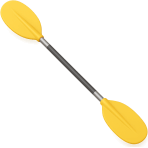
¿Qué usas para mover un kayak?
👆 Click to reveal answer
#1
¿Qué usas para mover un kayak?
What do you use to move a kayak?
✓ el remo de kayak the kayak paddle
💡 Hint: Kayak paddle - double-bladed paddle used to propel kayak through water
Example: Necesito comprar un remo de kayak nuevo para la expedición. I need to buy a new kayak paddle for the expedition.
MEDIUM
wordwalker.ca/flashcards
#2
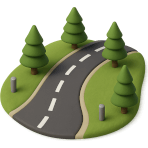
¿Por dónde conducen los coches?
👆 Click to reveal answer
#2
¿Por dónde conducen los coches?
Where do cars drive?
✓ la carretera road
💡 Hint: Road - paved way for vehicles to travel
Example: Manejamos por la carretera durante tres horas. We drove on the road for three hours.
EASY
wordwalker.ca/flashcards
#3
¿A qué hora sale el vuelo?
👆 Click to reveal answer
#3
¿A qué hora sale el vuelo?
What time does the flight leave?
✓ la hora de salida the departure time
💡 Hint: Departure time - when plane leaves, board 30-45 minutes before
Example: La hora de salida del vuelo es a las tres de la tarde. The flight departure time is at three in the afternoon.
EASY
wordwalker.ca/flashcards
#4
¿Cómo se llama la persona que recibe tratamiento médico?
👆 Click to reveal answer
#4
¿Cómo se llama la persona que recibe tratamiento médico?
What do you call the person who receives medical treatment?
✓ el paciente the patient
💡 Hint: Patient - person receiving medical care, from Latin "patiens" (suffering)
Example: El paciente llegó con dolor agudo en el abdomen. The patient arrived with sharp abdominal pain.
EASY
wordwalker.ca/flashcards
#5
¿Qué lesión ocurre cuando estiras demasiado un músculo?
👆 Click to reveal answer
#5
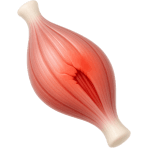
¿Qué lesión ocurre cuando estiras demasiado un músculo?
What injury occurs when you stretch a muscle too much?
✓ la distensión muscular the muscle strain
💡 Hint: Muscle strain - pulled muscle from overstretching, "tirón" colloquial
Example: Sufrió una distensión muscular al levantar peso excesivo. He suffered a muscle strain from lifting too much weight.
MEDIUM
wordwalker.ca/flashcards
#6
¿Qué dulce de manzana cubierta de caramelo comes en las ferias?
👆 Click to reveal answer
#6
¿Qué dulce de manzana cubierta de caramelo comes en las ferias?
What caramel-covered apple treat do you eat at fairs?
✓ la manzana acaramelada the caramel apple
💡 Hint: Whole apple on a stick coated in sweet caramel, popular autumn treat
Example: Compro la manzana acaramelada en un palito en la feria de otoño. I buy the caramel apple on a stick at the autumn fair.
MEDIUM
wordwalker.ca/flashcards
#7
🔢
¿Qué número viene justo antes de cien?
👆 Click to reveal answer
#7
🔢
¿Qué número viene justo antes de cien?
What number comes right before one hundred?
✓ noventa y nueve ninety-nine
💡 Hint: Ninety-nine - highest two-digit number, "99 Luftballons" song reference
Example: El libro tiene noventa y nueve páginas. The book has ninety-nine pages.
MEDIUM
wordwalker.ca/flashcards
#8
🍶
¿Qué bebida japonesa se hace de arroz?
👆 Click to reveal answer
#8
🍶
¿Qué bebida japonesa se hace de arroz?
What Japanese drink is made from rice?
✓ el sake the sake
💡 Hint: Japanese rice-based drink; served warm or chilled.
Example: Pruebo el sake tibio en el restaurante japonés tradicional. I try the warm sake at the traditional Japanese restaurant.
HARD
wordwalker.ca/flashcards
#9
🤕
¿Qué tienes cuando te duele?
👆 Click to reveal answer
#9
🤕
¿Qué tienes cuando te duele?
What do you have when it hurts?
✓ el dolor the pain
💡 Hint: Pain - "doler" is to hurt, from Latin "dolere" (to suffer)
Example: Sufro dolor en la espalda después de correr. I suffer back pain after running.
EASY
wordwalker.ca/flashcards

📢 Share These Flash Cards

Help others learn Spanish! Share with friends and family:

🎮 Try the WordWalker Game (Learning Spanish for Kids)