











Dog walker character Default walker character

100% Free Forever • No Ads • No Subscriptions • Community Driven

Learn Spanish with free interactive flashcards and audio pronunciation

Multiple Categories

Places and Directions • Greetings & Conversations • Medical & Emergencies • Weather & Environment • Recreation

Choose Categories: (Click group to expand)

🔄 New Shuffle Order
Page 1 of 70 (630 total flash cards for selected categories)
#1
👋
¿Cómo preguntas "how are you?"
👆 Click to reveal answer
#1
👋
¿Cómo preguntas "how are you?"
✓ ¿cómo estás?
💡 Hint: How are you? - informal tú form, "¿cómo está?" for usted formal, from "estar" (to be)
Example: Hola María, ¿cómo estás? Te ves muy feliz. Hello María, how are you? You look very happy.
EASY
wordwalker.ca/flashcards
#2
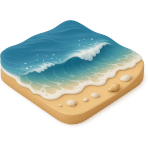
¿Cómo se llama el cuerpo de agua más grande?
👆 Click to reveal answer
#2
¿Cómo se llama el cuerpo de agua más grande?
What is the largest body of water called?
✓ océano
💡 Hint: Ocean - largest body of saltwater on Earth
Example: El océano Pacífico es el más grande del mundo. The Pacific Ocean is the largest in the world.
EASY
wordwalker.ca/flashcards
#3
🧂
¿Qué tipo de agua está en el océano?
👆 Click to reveal answer
#3
🧂
¿Qué tipo de agua está en el océano?
What type of water is in the ocean?
✓ agua salada
💡 Hint: Salt water - oceans contain salt
Example: El océano tiene agua salada que no podemos beber. The ocean has salt water that we cannot drink.
EASY
wordwalker.ca/flashcards
#4
🏙️
¿Qué lugar tiene muchos edificios?
👆 Click to reveal answer
#4
🏙️
¿Qué lugar tiene muchos edificios?
What place has many buildings?
✓ la ciudad
💡 Hint: City - urban area with tall buildings, from Latin "civitas" (citizenship)
Example: La ciudad de Madrid tiene muchos museos y monumentos históricos. The city of Madrid has many museums and historical monuments.
EASY
wordwalker.ca/flashcards
#5
¿Qué es un volcán que expulsa lodo?
👆 Click to reveal answer
#5
¿Qué es un volcán que expulsa lodo?
What is a volcano that expels mud?
✓ volcán de lodo
💡 Hint: Mud volcano - erupts mud and gases instead of lava
Example: El volcán de lodo expulsa burbujas de gas caliente. The mud volcano expels bubbles of hot gas.
HARD
wordwalker.ca/flashcards
#6
¿Qué usas para mover un kayak?
👆 Click to reveal answer
#6
¿Qué usas para mover un kayak?
What do you use to move a kayak?
✓ el remo de kayak
💡 Hint: Kayak paddle - double-bladed paddle used to propel kayak through water
Example: Necesito comprar un remo de kayak nuevo para la expedición. I need to buy a new kayak paddle for the expedition.
MEDIUM
wordwalker.ca/flashcards
#7
💑
¿Cómo dices "I love you"?
👆 Click to reveal answer
#7
💑
¿Cómo dices "I love you"?
✓ te quiero
💡 Hint: I love you - "te quiero" common for family/friends/partners, "te amo" deeper romantic love
Example: Te quiero mucho, mamá. Gracias por todo. I love you very much, mom. Thank you for everything.
MEDIUM
wordwalker.ca/flashcards
#8
📅
¿Cómo dices "see you tomorrow"?
👆 Click to reveal answer
#8
📅
¿Cómo dices "see you tomorrow"?
✓ hasta mañana
💡 Hint: See you tomorrow - "hasta mañana" (until tomorrow), common evening farewell
Example: Hasta mañana, que descanses bien. See you tomorrow, rest well.
EASY
wordwalker.ca/flashcards
#9
🌅
¿Qué dices por la tarde?
👆 Click to reveal answer
#9
🌅
¿Qué dices por la tarde?
✓ buenas tardes
💡 Hint: Good afternoon - "tardes" feminine plural, use 2pm-sunset, timing varies by region
Example: Buenas tardes, ¿cómo le va? Good afternoon, how is it going?
EASY
wordwalker.ca/flashcards

📢 Share These Flash Cards

Help others learn Spanish! Share with friends and family:

🎮 Try the WordWalker Game (Learning Spanish for Kids)