



Dog walker character Default walker character

100% Free Forever • No Ads • No Subscriptions • Community Driven

Learn Spanish with free interactive flashcards and audio pronunciation

Multiple Categories

Places and Directions • Grammar • Medical & Emergencies • Recreation • Work and Business • Transportation

Choose Categories: (Click group to expand)

🔄 New Shuffle Order
Page 1 of 123 (1100 total flash cards for selected categories)
#1
🗣️
Es importante que nosotros ___ español. (hablar - to speak)
👆 Click to reveal answer
#1
🗣️
Es importante que nosotros ___ español. (hablar - to speak)
hablemos
✓ hablemos
💡 Hint: It's important that we speak - Subjunctive after "es importante que
Example: Es importante que hablemos español en clase. It's important that we speak Spanish in class.
HARD
wordwalker.ca/flashcards
#2
¿Qué vehículo es una casa rodante pequeña?
👆 Click to reveal answer
#2
¿Qué vehículo es una casa rodante pequeña?
What vehicle is a small mobile home?
✓ la caravana
💡 Hint: Caravan - towable vehicle with living quarters for camping
Example: Viajamos por Europa en nuestra caravana durante todo el verano. We traveled through Europe in our caravan all summer.
MEDIUM
wordwalker.ca/flashcards
#3
✔️
Yo ___ comido ya. (have)
👆 Click to reveal answer
#3
✔️
Yo ___ comido ya. (have)
I have already eaten.
✓ he
💡 Hint: I have already eaten - present perfect with "haber" + past participle
Example: Yo he comido ya, gracias. I have already eaten, thanks.
MEDIUM
wordwalker.ca/flashcards
#4
¿Qué scooter eléctrico ayuda a personas con movilidad reducida?
👆 Click to reveal answer
#4
¿Qué scooter eléctrico ayuda a personas con movilidad reducida?
What electric scooter helps people with reduced mobility?
✓ el scooter de movilidad
💡 Hint: Mobility scooter - electric vehicle for people with mobility issues
Example: Mi abuela usa un scooter de movilidad para hacer sus compras. My grandmother uses a mobility scooter to do her shopping.
HARD
wordwalker.ca/flashcards
#5
💊
¿Qué tomas cuando estás enfermo?
👆 Click to reveal answer
#5
💊
¿Qué tomas cuando estás enfermo?
What do you take when you're sick?
✓ la medicina
💡 Hint: Medicine - treatment drug, "pastilla" is pill, "jarabe" is syrup
Example: Siempre guardo la medicina en el botiquín. I always keep the medicine in the first-aid kit.
EASY
wordwalker.ca/flashcards
#6
¿Quién cuida a personas enfermas o ancianas?
👆 Click to reveal answer
#6
¿Quién cuida a personas enfermas o ancianas?
Who cares for sick or elderly people?
✓ el cuidador
💡 Hint: Caregiver - provides care for sick or elderly, "cuidadora" for female
Example: El cuidador ayudó a su abuelo con las tareas diarias. The caregiver helped his grandfather with daily tasks.
MEDIUM
wordwalker.ca/flashcards
#7
¿Qué llevas para mantenerte hidratado?
👆 Click to reveal answer
#7
¿Qué llevas para mantenerte hidratado?
What do you carry to stay hydrated?
✓ la botella de agua
💡 Hint: Water bottle - container for carrying water during activities, essential for hydration
Example: Siempre llevo mi botella de agua cuando hago ejercicio. I always bring my water bottle when I exercise.
EASY
wordwalker.ca/flashcards
#8
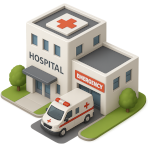
🏥
¿Dónde van los enfermos graves?
👆 Click to reveal answer
#8
🏥
¿Dónde van los enfermos graves?
Where do seriously ill people go?
✓ el hospital
💡 Hint: Hospital - medical facility for serious care, from Latin "hospes" (guest)
Example: Llevaron al paciente al hospital más cercano en ambulancia. They took the patient to the nearest hospital in an ambulance.
EASY
wordwalker.ca/flashcards
#9
💃
Nosotros ___ mucho cuando éramos jóvenes. (bailar - to dance)
👆 Click to reveal answer
#9
💃
Nosotros ___ mucho cuando éramos jóvenes. (bailar - to dance)
bailábamos
✓ bailábamos
💡 Hint: We used to dance - Imperfect habitual, "cuando éramos jóvenes" = when we were young
Example: Nosotros bailábamos mucho cuando éramos jóvenes. We used to dance a lot when we were young.
MEDIUM
wordwalker.ca/flashcards

📢 Share These Flash Cards

Help others learn Spanish! Share with friends and family:

🎮 Try the WordWalker Game (Learning Spanish for Kids)