










Dog walker character Default walker character

100% Free Forever • No Ads • No Subscriptions • Community Driven

Learn Spanish with free interactive flashcards and audio pronunciation

Multiple Categories

Places and Directions • Entertainment • Food and Dining • Transportation • Greetings & Conversations • Recreation

Choose Categories: (Click group to expand)

🔄 New Shuffle Order
Page 1 of 130 (1169 total flash cards for selected categories)
#1
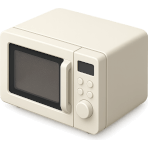
¿Con qué electrodoméstico calientas comida rápidamente?
👆 Click to reveal answer
#1
¿Con qué electrodoméstico calientas comida rápidamente?
With what appliance do you heat food quickly?
✓ el microondas
💡 Hint: Kitchen appliance that uses electromagnetic waves to heat food quickly
Example: Caliento las sobras de la cena en el microondas por dos minutos. I heat dinner leftovers in the microwave for two minutes.
EASY
wordwalker.ca/flashcards

#2
¿Qué tren viaja a más de 300 km/h?
👆 Click to reveal answer
#2
¿Qué tren viaja a más de 300 km/h?
What train travels over 300 km/h?
✓ el tren de alta velocidad
💡 Hint: High-speed train - very fast train, bullet train in some countries
Example: El tren de alta velocidad llega a Barcelona en solo dos horas. The high-speed train reaches Barcelona in just two hours.
MEDIUM
wordwalker.ca/flashcards
#3
📏
¿Qué número indica qué tan rápido puedes ir?
👆 Click to reveal answer
#3
📏
¿Qué número indica qué tan rápido puedes ir?
What number indicates how fast you can go?
✓ el límite de velocidad
💡 Hint: Speed limit - posted in km/h in most countries, mph in US/UK
Example: El límite de velocidad en la autopista es de cien kilómetros por hora. The speed limit on the highway is one hundred kilometers per hour.
MEDIUM
wordwalker.ca/flashcards
#4
📜
¿Qué haces cuando visitas lugares históricos?
👆 Click to reveal answer
#4
📜
¿Qué haces cuando visitas lugares históricos?
What do you do when you visit historical places?
✓ visitar monumentos
💡 Hint: Visit monuments - explore historical sites, learn about culture and history
Example: Nos gusta visitar monumentos cuando viajamos a nuevas ciudades. We like to visit monuments when we travel to new cities.
EASY
wordwalker.ca/flashcards
#5
¿Qué te pones al sentarte?
👆 Click to reveal answer
#5
¿Qué te pones al sentarte?
What do you put on when sitting down?
✓ el cinturón de seguridad
💡 Hint: Seatbelt - mandatory during takeoff, landing, turbulence
Example: Debes abrocharte el cinturón de seguridad durante el vuelo. You must fasten your seatbelt during the flight.
EASY
wordwalker.ca/flashcards
#6
🧄
¿Qué ingrediente pequeño tiene olor fuerte?
👆 Click to reveal answer
#6
🧄
¿Qué ingrediente pequeño tiene olor fuerte?
What small ingredient has a strong smell?
✓ el ajo
💡 Hint: Small aromatic ingredient with a strong smell; used to flavor many dishes.
Example: Machaco el ajo fresco para darle más sabor a la salsa. I crush the fresh garlic to give more flavor to the sauce.
MEDIUM
wordwalker.ca/flashcards
#7
🧋
¿Qué bebida con burbujas es popular en Asia?
👆 Click to reveal answer
#7
🧋
¿Qué bebida con burbujas es popular en Asia?
What drink with bubbles is popular in Asia?
✓ té de burbujas
💡 Hint: Bubble tea - boba drink
Example: Compro té de burbujas con perlas de tapioca en la cafetería asiática. I buy bubble tea with tapioca pearls at the Asian cafe.
HARD
wordwalker.ca/flashcards
#8
🅿️
¿Dónde dejas tu coche?
👆 Click to reveal answer
#8
🅿️
¿Dónde dejas tu coche?
Where do you leave your car?
✓ el estacionamiento
💡 Hint: Parking - "aparcamiento" in Spain, "parqueadero" in some regions
Example: Busco un estacionamiento cerca del centro comercial. I'm looking for parking near the mall.
EASY
wordwalker.ca/flashcards
#9
🙂
¿Cómo preguntas "how are you feeling?"?
👆 Click to reveal answer
#9
🙂
¿Cómo preguntas "how are you feeling?"?
✓ ¿cómo te sientes?
💡 Hint: How are you feeling? - "sentirse" (to feel oneself), use reflexive verb
Example: ¿Cómo te sientes hoy? ¿Ya estás mejor? How are you feeling today? Are you better now?
MEDIUM
wordwalker.ca/flashcards

📢 Share These Flash Cards

Help others learn Spanish! Share with friends and family:

🎮 Try the WordWalker Game (Learning Spanish for Kids)