













Dog walker character Default walker character

100% Free Forever • No Ads • No Subscriptions • Community Driven

Learn Spanish with free interactive flashcards and audio pronunciation

Multiple Categories

Work and Business • Plants and Animals • Greetings & Conversations • Grammar • Numbers, Colors & Time

Choose Categories: (Click group to expand)

🔄 New Shuffle Order
Page 1 of 100 (900 total flash cards for selected categories)
#1
💬
Estaba __ ____ "no quiero hablar con nadie".
I was like "I don't want to talk to anyone."
👆 Click to reveal answer
#1
💬
Estaba __ ____ "no quiero hablar con nadie".
✓ en plan
💡 Hint: I was like "I don't want to talk to anyone."
Example: Estaba en plan "no quiero hablar con nadie".
MEDIUM
wordwalker.ca/flashcards
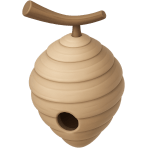
#2
¿Dónde viven las avispas?
👆 Click to reveal answer
#2
¿Dónde viven las avispas?
Where do wasps live?
✓ el nido de avispas
💡 Hint: Wasp nest - paper-like structure made by wasps, can be aggressive defenders
Example: El nido de avispas cuelga del árbol en el jardín. The wasp nest hangs from the tree in the garden.
MEDIUM
wordwalker.ca/flashcards
#3
🎁
Yo ___ dinero para el viaje. (tener - to have)
👆 Click to reveal answer
#3
🎁
Yo ___ dinero para el viaje. (tener - to have)
tendré
✓ tendré
💡 Hint: I will have - Irregular future stem "tendr-" (not "tener-") + -é
Example: Yo tendré dinero para el viaje. I will have money for the trip.
HARD
wordwalker.ca/flashcards
#4
📞
Ella ___ llamó ayer. (nos - us)
👆 Click to reveal answer
#4
📞
Ella ___ llamó ayer. (nos - us)
She called us yesterday.
✓ nos
💡 Hint: She called us yesterday - "nos" is direct/indirect object pronoun (us/to us)
Example: Ella nos llamó ayer por la noche. She called us last night.
MEDIUM
wordwalker.ca/flashcards
#5
🐊
¿Qué reptil grande vive en pantanos?
👆 Click to reveal answer
#5
🐊
¿Qué reptil grande vive en pantanos?
What large reptile lives in swamps?
✓ el caimán
💡 Hint: Alligator - large reptile, lives in swamps, powerful jaws, from Americas
Example: El caimán descansa en la orilla del pantano. The caiman rests on the edge of the swamp.
MEDIUM
wordwalker.ca/flashcards
#6
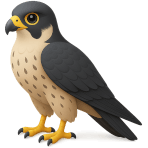
¿Qué ave de presa es?
👆 Click to reveal answer
#6
¿Qué ave de presa es?
What bird of prey is it?
✓ el halcón
💡 Hint: Falcon - fast bird of prey, used in falconry
Example: El halcón peregrino es el ave más rápida del mundo. The peregrine falcon is the fastest bird in the world.
MEDIUM
wordwalker.ca/flashcards
#7
🤷
Esto no tiene ____ ___ ___ con lo de ayer.
This has nothing to do with yesterday.
👆 Click to reveal answer
#7
🤷
Esto no tiene ____ ___ ___ con lo de ayer.
✓ nada que ver
💡 Hint: This has nothing to do with yesterday.
Example: Esto no tiene nada que ver con lo de ayer. This has nothing to do with yesterday.
MEDIUM
wordwalker.ca/flashcards
#8
👌
¿Cómo dices "of course"?
👆 Click to reveal answer
#8
👌
¿Cómo dices "of course"?
✓ claro
💡 Hint: Of course - literally "clear
Example: — ¿Puedo usar tu teléfono? — Claro, adelante. — Can I use your phone? — Of course, go ahead.
MEDIUM
wordwalker.ca/flashcards
#9
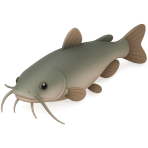
¿Qué pez tiene bigotes?
👆 Click to reveal answer
#9
¿Qué pez tiene bigotes?
What fish has whiskers?
✓ el bagre
💡 Hint: Catfish - has barbels (whiskers), bottom-dwelling fish
Example: El bagre vive en el fondo del río buscando comida. The catfish lives at the bottom of the river searching for food.
MEDIUM
wordwalker.ca/flashcards

📢 Share These Flash Cards

Help others learn Spanish! Share with friends and family:

🎮 Try the WordWalker Game (Learning Spanish for Kids)