












Dog walker character Default walker character

100% Free Forever • No Ads • No Subscriptions • Community Driven

Learn Spanish with free interactive flashcards and audio pronunciation

Multiple Categories

Work and Business • Medical & Emergencies • Weather & Environment • People & Relationships • Greetings & Conversations • Grammar

Choose Categories: (Click group to expand)

🔄 New Shuffle Order
Page 1 of 120 (1080 total flash cards for selected categories)
#1
🌍
¿Cómo preguntas "where are you from?"
👆 Click to reveal answer
#1
🌍
¿Cómo preguntas "where are you from?"
✓ ¿de dónde eres?
💡 Hint: Where are you from? - "de dónde" (from where), "¿de dónde es?" formal usted form
Example: ¿De dónde eres? Tu acento es muy interesante. Where are you from? Your accent is very interesting.
MEDIUM
wordwalker.ca/flashcards
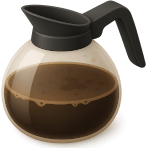
#2
¿Cómo se llama el café que está frío y viejo?
👆 Click to reveal answer
#2
¿Cómo se llama el café que está frío y viejo?
What do you call coffee that is cold and old?
✓ el café pasado
💡 Hint: Coffee that has been sitting too long and lost its freshness
Example: Este café pasado sabe horrible, voy a hacer uno fresco. This stale coffee tastes horrible, I'm going to make a fresh one.
MEDIUM
wordwalker.ca/flashcards
#3
¿Qué sientes cuando te enamoras?
👆 Click to reveal answer
#3
¿Qué sientes cuando te enamoras?
What do you feel when you fall in love?
✓ el enamoramiento
💡 Hint: Infatuation/falling in love - intense but short-lived passion
Example: El enamoramiento inicial es intenso pero luego viene el amor profundo. The initial infatuation is intense but then comes deep love.
MEDIUM
wordwalker.ca/flashcards
#4
¿Qué sientes cuando estás asustado?
👆 Click to reveal answer
#4
¿Qué sientes cuando estás asustado?
What do you feel when you are scared?
✓ el miedo
💡 Hint: Fear - unpleasant emotion caused by threat or danger
Example: El miedo a las alturas le impide subir al avión. Fear of heights prevents him from boarding the plane.
EASY
wordwalker.ca/flashcards
#5
😲
¡___ ___________! Yo también vivo aquí.
What a coincidence! I live here too.
👆 Click to reveal answer
#5
😲
¡___ ___________! Yo también vivo aquí.
✓ qué casualidad
💡 Hint: What a coincidence! I live here too.
Example: ¡Qué casualidad! Yo también vivo aquí. What a coincidence! I also live here.
MEDIUM
wordwalker.ca/flashcards
#6
🤷
Esto no tiene ____ ___ ___ con lo de ayer.
This has nothing to do with yesterday.
👆 Click to reveal answer
#6
🤷
Esto no tiene ____ ___ ___ con lo de ayer.
✓ nada que ver
💡 Hint: This has nothing to do with yesterday.
Example: Esto no tiene nada que ver con lo de ayer. This has nothing to do with yesterday.
MEDIUM
wordwalker.ca/flashcards
#7
🤕
¿Qué tienes cuando te duele?
👆 Click to reveal answer
#7
🤕
¿Qué tienes cuando te duele?
What do you have when it hurts?
✓ el dolor
💡 Hint: Pain - "doler" is to hurt, from Latin "dolere" (to suffer)
Example: Sufro dolor en la espalda después de correr. I suffer back pain after running.
EASY
wordwalker.ca/flashcards
#8
🤬
¿Qué hace alguien cuando dice palabras groseras?
👆 Click to reveal answer
#8
🤬
¿Qué hace alguien cuando dice palabras groseras?
What does someone do when they say rude words?
✓ maldice
💡 Hint: Swear/curse - "maldecir
Example: Es de mala educación cuando alguien maldice en público. It's bad manners when someone curses in public.
MEDIUM
wordwalker.ca/flashcards
#9
🛠️
¿Qué ___ tú este fin de semana? (hacer - to do)
👆 Click to reveal answer
#9
🛠️
¿Qué ___ tú este fin de semana? (hacer - to do)
harás
✓ harás
💡 Hint: What will you do - Irregular future stem "har-" (not "hacer-"), "fin de semana" = weekend
Example: ¿Qué harás este fin de semana? What will you do this weekend?
HARD
wordwalker.ca/flashcards

📢 Share These Flash Cards

Help others learn Spanish! Share with friends and family:

🎮 Try the WordWalker Game (Learning Spanish for Kids)