






Dog walker character Default walker character

100% Free Forever • No Ads • No Subscriptions • Community Driven

Learn Spanish with free interactive flashcards and audio pronunciation

Multiple Categories

Work and Business • Grammar • Medical & Emergencies • Daily Routines • Places and Directions

Choose Categories: (Click group to expand)

🔄 New Shuffle Order
Page 1 of 98 (880 total flash cards for selected categories)
#1
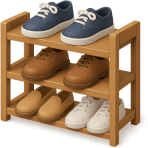
¿Qué usas para alcanzar lugares altos?
👆 Click to reveal answer
#1
¿Qué usas para alcanzar lugares altos?
What do you use to reach high places?
✓ el banquito
💡 Hint: Stepping stool - small platform for reaching higher shelves
Example: Me subo en el banquito para alcanzar los platos de arriba. I step on the stool to reach the plates above.
EASY
wordwalker.ca/flashcards
#2
😴
¿Qué haces en la cama?
👆 Click to reveal answer
#2
😴
¿Qué haces en la cama?
What do you do in bed?
✓ duermo
💡 Hint: Sleep - "dormir"
Example: Cada noche duermo ocho horas para descansar bien. Every night I sleep eight hours to rest well.
EASY
wordwalker.ca/flashcards
#3
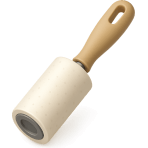
¿Qué usas para quitar telarañas de las esquinas del techo?
👆 Click to reveal answer
#3
¿Qué usas para quitar telarañas de las esquinas del techo?
What do you use to remove cobwebs from ceiling corners?
✓ el plumero de telarañas
💡 Hint: Cobweb duster - "plumero de telarañas
Example: Limpio las esquinas del techo con el plumero de telarañas. I clean the corners of the ceiling with the cobweb duster.
EASY
wordwalker.ca/flashcards
#4
¿Cómo se llama el café que está frío y viejo?
👆 Click to reveal answer
#4
¿Cómo se llama el café que está frío y viejo?
What do you call coffee that is cold and old?
✓ el café pasado
💡 Hint: Coffee that has been sitting too long and lost its freshness
Example: Este café pasado sabe horrible, voy a hacer uno fresco. This stale coffee tastes horrible, I'm going to make a fresh one.
MEDIUM
wordwalker.ca/flashcards
#5
¿Con qué quitan astillas o suturas?
👆 Click to reveal answer
#5
¿Con qué quitan astillas o suturas?
What do they remove splinters or stitches with?
✓ las pinzas
💡 Hint: Tweezers - small gripping tool for removing splinters and stitches
Example: El doctor usó las pinzas para sacar la astilla. The doctor used the tweezers to remove the splinter.
MEDIUM
wordwalker.ca/flashcards
#6
¿Te ___ temprano? (levantar - do you get up)
👆 Click to reveal answer
#6
¿Te ___ temprano? (levantar - do you get up)
Do you get up early?
✓ levantas
💡 Hint: Do you get up early? - reflexive "levantarse" (to get up), second person
Example: ¿Te levantas temprano los lunes? Do you get up early on Mondays?
MEDIUM
wordwalker.ca/flashcards
#7
↩️
¿Qué haces para volver?
👆 Click to reveal answer
#7
↩️
¿Qué haces para volver?
What do you do to return?
✓ regresar
💡 Hint: Return/go back - "volver" also means to return, from "re-" + "gresar"
Example: Tengo que regresar a casa antes de las seis de la tarde. I have to return home before six in the evening.
EASY
wordwalker.ca/flashcards
#8
📍
¿___ estás? (Where are you?)
👆 Click to reveal answer
#8
📍
¿___ estás? (Where are you?)
Dónde
✓ dónde
💡 Hint: Where - has accent in questions, from Latin "de unde" (from where)
Example: ¿Dónde estás ahora? Where are you now?
EASY
wordwalker.ca/flashcards
#9
😌
—¿Qué tal el examen? —__ ___ ___.
How was the exam? —Not too bad.
👆 Click to reveal answer
#9
😌
—¿Qué tal el examen? —__ ___ ___.
✓ ni tan mal
💡 Hint: How was the exam? —Not too bad.
Example: —¿Qué tal el examen? —Ni tan mal. —How was the exam? —Not so bad.
MEDIUM
wordwalker.ca/flashcards

📢 Share These Flash Cards

Help others learn Spanish! Share with friends and family:

🎮 Try the WordWalker Game (Learning Spanish for Kids)