












Dog walker character Default walker character

Multiple Categories

Work and Business • Entertainment • People & Relationships • Transportation • Greetings & Conversations • Accommodation

Choose Categories: (Click to add/remove)

🔄 New Shuffle Order
Page 1 of 105 (943 total flash cards)
#1
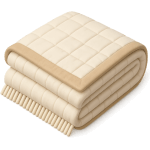
¿Qué usas para cubrirte cuando hace frío?
👆 Click to reveal answer
#1
¿Qué usas para cubrirte cuando hace frío?
What do you use to cover yourself when it's cold?
✓ la manta the blanket
💡 Hint: Blanket - keeps warm, "cobija" in Latin America, "frazada" also used
EASY
wordwalker.ca/flashcards

#2
🛏️
¿Qué necesitas cambiar si están sucias?
👆 Click to reveal answer
#2
🛏️
¿Qué necesitas cambiar si están sucias?
What do you need to change if they're dirty?
✓ las sábanas the sheets
💡 Hint: Dirty sheets need changing
EASY
wordwalker.ca/flashcards
#3
😌
¿Cómo dirías "weak"?
👆 Click to reveal answer
#3
😌
¿Cómo dirías "weak"?
How would you say 'weak'?
✓ débil weak
💡 Hint: Weak - not strong, opposite of "fuerte"
Example: Después de la enfermedad me siento muy débil. After the illness I feel very weak.
MEDIUM
wordwalker.ca/flashcards
#4
🥵
¿Cómo dices "I'm hot" (feeling heat)?
👆 Click to reveal answer
#4
🥵
¿Cómo dices "I'm hot" (feeling heat)?
✓ tengo calor I'm hot
💡 Hint: I'm hot - "tener calor" (to have heat), use "tener" not "estar
Example: Tengo mucho calor, voy a abrir la ventana. I'm very hot, I'm going to open the window.
EASY
wordwalker.ca/flashcards
#5
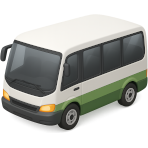
¿Cada cuánto pasa el autobús?
👆 Click to reveal answer
#5
¿Cada cuánto pasa el autobús?
How often does the bus pass?
✓ la frecuencia the frequency
💡 Hint: Frequency - how often buses run, e.g., every 10 minutes
Example: La frecuencia del autobús es cada diez minutos. The bus frequency is every ten minutes.
MEDIUM
wordwalker.ca/flashcards
#6
🥱
¿Cómo dices "I'm tired"?
👆 Click to reveal answer
#6
🥱
¿Cómo dices "I'm tired"?
✓ estoy cansado I'm tired
💡 Hint: I'm tired - "estar cansado" (temporary state), use "estar" not "ser
Example: Estoy cansado después de trabajar todo el día. I'm tired after working all day.
EASY
wordwalker.ca/flashcards
#7
¿Con qué instrumento ves objetos muy pequeños ampliados?
👆 Click to reveal answer
#7
¿Con qué instrumento ves objetos muy pequeños ampliados?
What instrument do you use to see very small objects magnified?
✓ el microscopio the microscope
💡 Hint: Scientific instrument with lenses that magnifies tiny objects for detailed examination
Example: Bajo el microscopio puedes ver las células claramente. Under the microscope you can see the cells clearly.
MEDIUM
wordwalker.ca/flashcards
#8
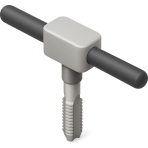
¿Con qué herramienta creas roscas internas en agujeros de metal?
👆 Click to reveal answer
#8
¿Con qué herramienta creas roscas internas en agujeros de metal?
What tool do you use to create internal threads in metal holes?
✓ el macho de roscar the tap wrench
💡 Hint: Threading tool with handle used to cut threads inside holes for screws and bolts
Example: Usa el macho de roscar para hacer roscas en ese agujero. Use the tap wrench to make threads in that hole.
HARD
wordwalker.ca/flashcards
#9
👨‍🎓
Traduce al español: "student" (masculino)
👆 Click to reveal answer
#9
👨‍🎓
Traduce al español: "student" (masculino)
Translate to Spanish: 'student' (masculine)
✓ el estudiante the student
💡 Hint: Male student - "alumno" is also common
Example: El estudiante hace su tarea en la biblioteca cada tarde. The student does his homework in the library every afternoon.
EASY
wordwalker.ca/flashcards

📢 Share These Flash Cards

Help others learn Spanish! Share with friends and family:

🎮 Try the WordWalker Game (Learning Spanish for Kids)