











Dog walker character Default walker character

100% Free Forever • No Ads • No Subscriptions • Community Driven

Learn Spanish with free interactive flashcards and audio pronunciation

Multiple Categories

Work and Business • Daily Routines • Accommodation • Medical & Emergencies • Numbers, Colors & Time

Choose Categories: (Click group to expand)

🔄 New Shuffle Order
Page 1 of 87 (780 total flash cards for selected categories)
#1
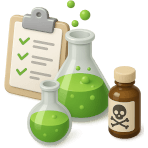
¿Qué especialista estudia venenos?
👆 Click to reveal answer
#1
¿Qué especialista estudia venenos?
What specialist studies poisons?
✓ el toxicólogo
💡 Hint: Toxicologist - studies poisons and toxins, from Greek "toxikon" (poison)
Example: Consultamos al toxicólogo tras la ingestión accidental. We consulted the toxicologist after the accidental ingestion.
HARD
wordwalker.ca/flashcards
#2
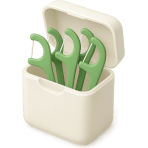
¿Qué usas para limpiar entre los dientes?
👆 Click to reveal answer
#2
¿Qué usas para limpiar entre los dientes?
What do you use to clean between your teeth?
✓ el hilo dental
💡 Hint: Dental floss - thin thread used to clean between teeth
Example: Uso el hilo dental todas las noches para mantener mis dientes saludables. I use dental floss every night to keep my teeth healthy.
MEDIUM
wordwalker.ca/flashcards
#3
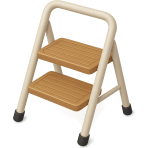
¿Qué usas para alcanzar lugares altos?
👆 Click to reveal answer
#3
¿Qué usas para alcanzar lugares altos?
What do you use to reach high places?
✓ el banquito
💡 Hint: Stepping stool - small platform for reaching higher shelves
Example: Me subo en el banquito para alcanzar los platos de arriba. I step on the stool to reach the plates above.
EASY
wordwalker.ca/flashcards
#4
📓
¿Dónde escribes las notas?
👆 Click to reveal answer
#4
📓
¿Dónde escribes las notas?
Where do you write notes?
✓ en el cuaderno
💡 Hint: In the notebook - "cuaderno"
Example: Escribo las notas importantes en el cuaderno. I write the important notes in the notebook.
EASY
wordwalker.ca/flashcards
#5
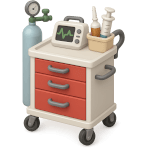
¿Cómo se llama el carro con equipo de emergencia para reanimación?
👆 Click to reveal answer
#5
¿Cómo se llama el carro con equipo de emergencia para reanimación?
What is the cart called that holds emergency resuscitation equipment?
✓ el carro de paro
💡 Hint: Crash cart contains defibrillator, drugs and supplies for resuscitation
Example: El personal llevó el carro de paro a la sala inmediatamente. The staff took the crash cart to the room immediately.
MEDIUM
wordwalker.ca/flashcards
#6
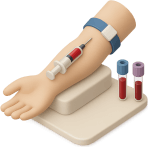
¿Quién saca sangre para análisis?
👆 Click to reveal answer
#6
¿Quién saca sangre para análisis?
Who draws blood for testing?
✓ el flebotomista
💡 Hint: Phlebotomist - specialist in drawing blood, from Greek "phleps" (vein)
Example: El flebotomista extrajo la muestra de sangre rápidamente. The phlebotomist drew the blood sample quickly.
HARD
wordwalker.ca/flashcards
#7
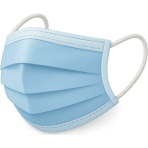
¿Qué usa la persona?
👆 Click to reveal answer
#7
¿Qué usa la persona?
What does the person use?
✓ la mascarilla
💡 Hint: Face mask - prevents disease spread, "cubrebocas" or "tapabocas" in Latin America
Example: Ella siempre lleva la mascarilla en el transporte público. She always wears a face mask on public transport.
EASY
wordwalker.ca/flashcards
#8
🔢
¿Cuántos días tiene un par de semanas?
👆 Click to reveal answer
#8
🔢
¿Cuántos días tiene un par de semanas?
How many days are in two weeks?
✓ catorce
💡 Hint: Fourteen - from "cuatro" + "diez
Example: Hay catorce estudiantes en el salón de clase. There are fourteen students in the classroom.
EASY
wordwalker.ca/flashcards
#9
📅
¿Qué período de tiempo tiene veinticuatro horas?
👆 Click to reveal answer
#9
📅
¿Qué período de tiempo tiene veinticuatro horas?
What period of time has twenty-four hours?
✓ día
💡 Hint: Day - masculine noun despite ending in "a
Example: Hoy es un día perfecto para pasear. Today is a perfect day to go for a walk.
EASY
wordwalker.ca/flashcards

📢 Share These Flash Cards

Help others learn Spanish! Share with friends and family:

🎮 Try the WordWalker Game (Learning Spanish for Kids)