













Dog walker character Default walker character

100% Free Forever • No Ads • No Subscriptions • Community Driven

Learn Spanish with free interactive flashcards and audio pronunciation

Multiple Categories

Accommodation • Numbers, Colors & Time • Medical & Emergencies • Places and Directions • Greetings & Conversations • Recreation

Choose Categories: (Click group to expand)

🔄 New Shuffle Order
Page 1 of 87 (780 total flash cards for selected categories)
#1
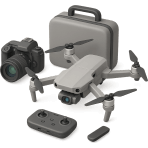
¿Qué tipo de fotografía se toma desde el aire con un dron?
👆 Click to reveal answer
#1
¿Qué tipo de fotografía se toma desde el aire con un dron?
What type of photography is taken from the air with a drone?
✓ la fotografía con dron
💡 Hint: Drone photography - aerial photography using unmanned aircraft
Example: La fotografía con dron ofrece perspectivas únicas del paisaje. Drone photography offers unique perspectives of the landscape.
EASY
wordwalker.ca/flashcards

#2
¿Qué proceso haces al llegar?
👆 Click to reveal answer
#2
¿Qué proceso haces al llegar?
What process do you do upon arrival?
✓ el check-in
💡 Hint: Registration upon arrival
Example: El check-in en el hotel fue rápido y el personal muy amable. The check-in at the hotel was quick and the staff very friendly.
EASY
wordwalker.ca/flashcards
#3
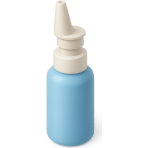
¿Qué usas para la congestión nasal?
👆 Click to reveal answer
#3
¿Qué usas para la congestión nasal?
What do you use for nasal congestion?
✓ el spray nasal
💡 Hint: Nasal spray - liquid medicine sprayed into nose, relieves congestion and allergies
Example: Compré un spray nasal para la congestión de la alergia. I bought a nasal spray for allergy congestion.
MEDIUM
wordwalker.ca/flashcards
#4
😲
¿Cómo dices "I'm surprised"?
👆 Click to reveal answer
#4
😲
¿Cómo dices "I'm surprised"?
✓ estoy sorprendido
💡 Hint: I'm surprised - "estar sorprendido" (temporary state), use "estar" not "ser
Example: Estoy sorprendido de verte aquí. I'm surprised to see you here.
MEDIUM
wordwalker.ca/flashcards
#5
🤕
¿Qué tienes cuando te duele?
👆 Click to reveal answer
#5
🤕
¿Qué tienes cuando te duele?
What do you have when it hurts?
✓ el dolor
💡 Hint: Pain - "doler" is to hurt, from Latin "dolere" (to suffer)
Example: Sufro dolor en la espalda después de correr. I suffer back pain after running.
EASY
wordwalker.ca/flashcards
#6
🙂
¿Cómo preguntas "how are you feeling?"?
👆 Click to reveal answer
#6
🙂
¿Cómo preguntas "how are you feeling?"?
✓ ¿cómo te sientes?
💡 Hint: How are you feeling? - "sentirse" (to feel oneself), use reflexive verb
Example: ¿Cómo te sientes hoy? ¿Ya estás mejor? How are you feeling today? Are you better now?
MEDIUM
wordwalker.ca/flashcards
#7
💡
¿Qué enciendes para iluminar la habitación?
👆 Click to reveal answer
#7
💡
¿Qué enciendes para iluminar la habitación?
What do you turn on to light the room?
✓ la lámpara
💡 Hint: Lamp - electric light, bedside lamps common in hotel rooms
Example: Enciendo la lámpara de la mesita de noche para leer antes de dormir. I turn on the bedside lamp to read before sleeping.
EASY
wordwalker.ca/flashcards
#8
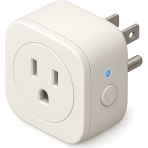
¿Qué dispositivo controla aparatos eléctricos remotamente?
👆 Click to reveal answer
#8
¿Qué dispositivo controla aparatos eléctricos remotamente?
What device controls electrical appliances remotely?
✓ el enchufe inteligente
💡 Hint: Smart plug - device that adds remote control capabilities to regular appliances
Example: Controlo el enchufe inteligente con mi teléfono para apagar luces. I control the smart plug with my phone to turn off lights.
HARD
wordwalker.ca/flashcards
#9
🤒
¿Qué tienes cuando hay fiebre?
👆 Click to reveal answer
#9
🤒
¿Qué tienes cuando hay fiebre?
What do you have when there is fever?
✓ la temperatura alta
💡 Hint: High temperature - fever over 38°C/100.4°F, "calentura" colloquial
Example: La temperatura alta indicó que tenía fiebre. The high temperature indicated that I had a fever.
EASY
wordwalker.ca/flashcards

📢 Share These Flash Cards

Help others learn Spanish! Share with friends and family:

🎮 Try the WordWalker Game (Learning Spanish for Kids)