














Dog walker character Default walker character

100% Free Forever • No Ads • No Subscriptions • Community Driven

Learn Spanish with free interactive flashcards and audio pronunciation

Multiple Categories

Accommodation • Medical & Emergencies • Grammar • Plants and Animals

Choose Categories: (Click group to expand)

🔄 New Shuffle Order
Page 1 of 98 (880 total flash cards for selected categories)
#1
📊
_____ _____, todo ha ido bien.
So far, everything has gone well.
👆 Click to reveal answer
#1
📊
_____ _____, todo ha ido bien.
✓ hasta ahora
💡 Hint: So far, everything has gone well.
Example: Hasta ahora, todo ha ido bien. So far, everything has gone well.
EASY
wordwalker.ca/flashcards

#2
¿Qué usa la persona?
👆 Click to reveal answer
#2
¿Qué usa la persona?
What does the person use?
✓ la mascarilla
💡 Hint: Face mask - prevents disease spread, "cubrebocas" or "tapabocas" in Latin America
Example: Ella siempre lleva la mascarilla en el transporte público. She always wears a face mask on public transport.
EASY
wordwalker.ca/flashcards
#3
👂
En español, ¿qué es "ear"?
👆 Click to reveal answer
#3
👂
En español, ¿qué es "ear"?
In Spanish, what is 'ear'?
✓ la oreja
💡 Hint: Ear - organ of hearing, "oído" is inner ear
Example: Se lavó la oreja con cuidado después de nadar. He washed his ear carefully after swimming.
EASY
wordwalker.ca/flashcards
#4
¿___ es esto? (What is this?)
👆 Click to reveal answer
#4
¿___ es esto? (What is this?)
Qué
✓ qué
💡 Hint: What - asks for definition/identity, has accent in questions, from Latin "quid"
Example: ¿Qué es esto? What is this?
EASY
wordwalker.ca/flashcards
#5
😰
___ ____ pierdo el tren.
I almost missed the train.
👆 Click to reveal answer
#5
😰
___ ____ pierdo el tren.
✓ por poco
💡 Hint: I almost missed the train.
Example: Por poco pierdo el tren. I almost missed the train.
MEDIUM
wordwalker.ca/flashcards
#6
🐭
¿Qué animal pequeño vive en las casas?
👆 Click to reveal answer
#6
🐭
¿Qué animal pequeño vive en las casas?
What small animal lives in houses?
✓ el ratón
💡 Hint: Mouse - small rodent, "ratoncillo" is diminutive
Example: El ratón se escondió detrás de la nevera. The mouse hid behind the refrigerator.
EASY
wordwalker.ca/flashcards
#7
¿Qué árbol tiene raíces aéreas?
👆 Click to reveal answer
#7
¿Qué árbol tiene raíces aéreas?
What tree has aerial roots?
✓ el árbol de baniano
💡 Hint: Banyan tree - grows aerial roots, sacred in some cultures
Example: El árbol de baniano tiene raíces que cuelgan de sus ramas. The banyan tree has roots that hang from its branches.
HARD
wordwalker.ca/flashcards
#8
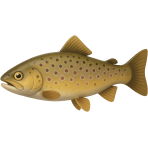
¿Qué pez de agua dulce vive en ríos fríos?
👆 Click to reveal answer
#8
¿Qué pez de agua dulce vive en ríos fríos?
What freshwater fish lives in cold rivers?
✓ la trucha
💡 Hint: Trout - freshwater fish, lives in cold clean water, popular for fishing
Example: La trucha vive en ríos de agua fría y limpia. The trout lives in cold, clean rivers.
EASY
wordwalker.ca/flashcards
#9
¿Qué animal del Ártico tiene colmillos largos?
👆 Click to reveal answer
#9
¿Qué animal del Ártico tiene colmillos largos?
What Arctic animal has long tusks?
✓ la morsa
💡 Hint: Walrus - large tusks, thick blubber, lives in Arctic waters
Example: La morsa usa sus colmillos para subir al hielo. The walrus uses its tusks to climb onto the ice.
MEDIUM
wordwalker.ca/flashcards

📢 Share These Flash Cards

Help others learn Spanish! Share with friends and family:

🎮 Try the WordWalker Game (Learning Spanish for Kids)