










Dog walker character Default walker character

100% Free Forever • No Ads • No Subscriptions • Community Driven

Learn Spanish with free interactive flashcards and audio pronunciation

Multiple Categories

Accommodation • Weather & Environment • Medical & Emergencies • Recreation • Greetings & Conversations • Entertainment

Choose Categories: (Click group to expand)

🔄 New Shuffle Order
Page 1 of 98 (879 total flash cards for selected categories)
#1
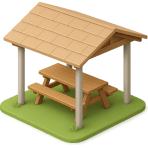
¿Dónde comes al aire libre con techo?
👆 Click to reveal answer
#1
¿Dónde comes al aire libre con techo?
Where do you eat outdoors with a roof?
✓ el refugio para picnic
💡 Hint: Picnic shelter - covered outdoor structure for dining and gatherings in parks
Example: Organizamos la fiesta familiar en el refugio para picnic del parque. We organized the family party at the park's picnic shelter.
MEDIUM
wordwalker.ca/flashcards

#2
¿Quién hace reír en el circo?
👆 Click to reveal answer
#2
¿Quién hace reír en el circo?
Who makes you laugh at the circus?
✓ el payaso
💡 Hint: Clown - funny circus performer with colorful makeup and nose
Example: El payaso del circo hizo reír a todos los niños con sus trucos. The circus clown made all the children laugh with his tricks.
EASY
wordwalker.ca/flashcards
#3
¿Cómo se llama la persona que realiza investigaciones científicas?
👆 Click to reveal answer
#3
¿Cómo se llama la persona que realiza investigaciones científicas?
What is the person called who conducts scientific research?
✓ el científico
💡 Hint: Scientist - conducts experiments and research in a laboratory or field
Example: El científico presentó los resultados del estudio clínico. The scientist presented the results of the clinical study.
MEDIUM
wordwalker.ca/flashcards
#4
🕶️
¿Qué son estos?
👆 Click to reveal answer
#4
🕶️
¿Qué son estos?
What are these?
✓ las gafas de sol
💡 Hint: Protect your eyes from the sun
Example: Perdí mis gafas de sol en la playa ayer. I lost my sunglasses at the beach yesterday.
EASY
wordwalker.ca/flashcards
#5
¿Cómo se llama una masa grande de hielo que se mueve?
👆 Click to reveal answer
#5
¿Cómo se llama una masa grande de hielo que se mueve?
What is a large mass of ice that moves called?
✓ glaciar
💡 Hint: Glacier - slowly moving mass of ice formed from compressed snow
Example: El glaciar se mueve lentamente hacia el mar. The glacier moves slowly toward the sea.
MEDIUM
wordwalker.ca/flashcards
#6
¿Cómo se llama la persona que recibe tratamiento médico?
👆 Click to reveal answer
#6
¿Cómo se llama la persona que recibe tratamiento médico?
What do you call the person who receives medical treatment?
✓ el paciente
💡 Hint: Patient - person receiving medical care, from Latin "patiens" (suffering)
Example: El paciente llegó con dolor agudo en el abdomen. The patient arrived with sharp abdominal pain.
EASY
wordwalker.ca/flashcards
#7
🌳
¿Qué absorbe el dióxido de carbono?
👆 Click to reveal answer
#7
🌳
¿Qué absorbe el dióxido de carbono?
What absorbs carbon dioxide?
✓ los árboles
💡 Hint: Trees - absorb CO2 and produce oxygen
Example: Los árboles limpian el aire que respiramos. Trees clean the air we breathe.
EASY
wordwalker.ca/flashcards
#8
🎭
¿Qué obra de teatro es muy triste?
👆 Click to reveal answer
#8
🎭
¿Qué obra de teatro es muy triste?
What play is very sad?
✓ la tragedia
💡 Hint: Tragedy - sad dramatic play, Greek origin with unhappy ending
Example: Romeo y Julieta de Shakespeare es la tragedia más famosa del mundo. Shakespeare's Romeo and Juliet is the most famous tragedy in the world.
MEDIUM
wordwalker.ca/flashcards
#9
📜
¿Qué haces cuando visitas lugares históricos?
👆 Click to reveal answer
#9
📜
¿Qué haces cuando visitas lugares históricos?
What do you do when you visit historical places?
✓ visitar monumentos
💡 Hint: Visit monuments - explore historical sites, learn about culture and history
Example: Nos gusta visitar monumentos cuando viajamos a nuevas ciudades. We like to visit monuments when we travel to new cities.
EASY
wordwalker.ca/flashcards

📢 Share These Flash Cards

Help others learn Spanish! Share with friends and family:

🎮 Try the WordWalker Game (Learning Spanish for Kids)